
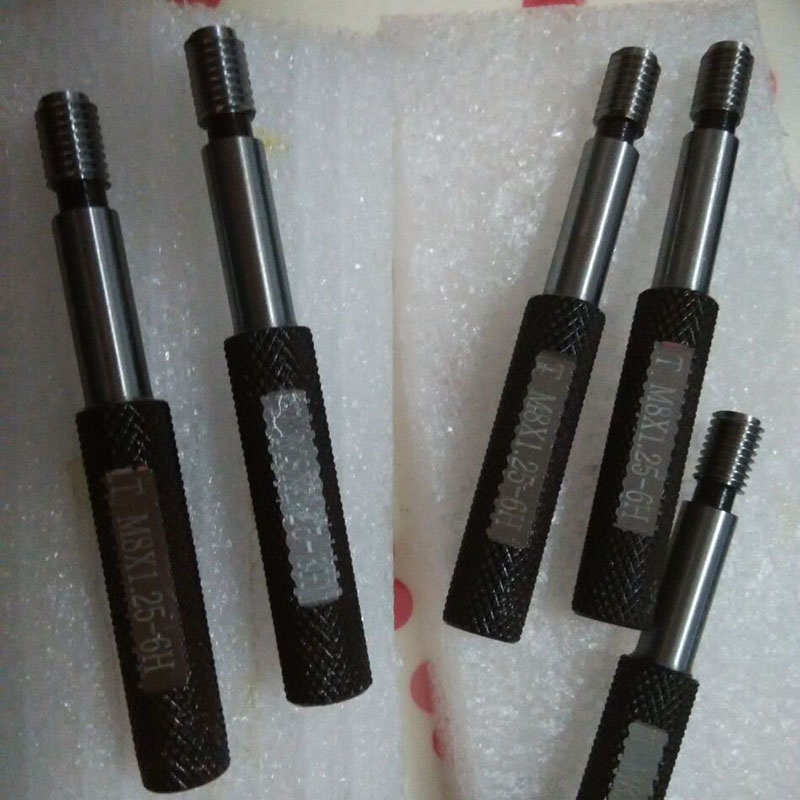
translucent sheet for glass
Understanding Standard Bore Gauges Essential Tools in Precision Engineering In the realm of precision engineering, standard bore gauges play a crucial role in ensuring that components meet specific dimensional and quality standards. These instruments are designed to measure the internal diameters of holes, ensuring that they fall within predetermined tolerances. Precision in manufacturing is vital, not only for the performance of the final product but also for the safety and reliability of the machinery in which these components will be used. What is a Standard Bore Gauge? A standard bore gauge is a measuring tool specifically utilized to check the inner diameter of cylindrical objects. Unlike calipers that measure external dimensions, bore gauges allow engineers and machinists to assess the internal profiles of holes, pipes, and various components. They are particularly useful in situations where conventional measuring tools cannot reach or provide accurate readings. Bore gauges generally consist of a body that houses a measuring probe, which expands to fit the internal diameter of the bore being measured. The probe typically has a spring-loaded or a mechanical design that allows for fine adjustments and ensures that the measurement is precise. Once the probe is inserted into the bore, it expands to touch the inner walls, and the measurement can be read on a dial or digital display. Types of Bore Gauges There are several types of bore gauges available, each suited for different applications 1. Dial Bore Gauges These gauges feature a dial indicator that provides a direct reading of the bore's diameter. They are highly accurate and are commonly used in machine shops and assembly lines. 2. Electronic Bore Gauges These modern tools utilize electronic sensors to measure the internal diameter. They often come with digital displays, which can provide more precise readings than their mechanical counterparts. 3. Tapered Bore Gauges These are designed for measuring tapered or conical bores. They include features that allow adjustment to different angles, making them versatile for unique applications. 4. Go/No-Go Gauges These gauges are used to determine whether a bore is within acceptable limits. They feature two ends—one that should fit into the bore (the Go end) and one that should not (the No-Go end). If the Go end fits and the No-Go end does not, the bore is within the required tolerance. standard bore gauge Applications in Various Industries Standard bore gauges are indispensable in several industries, including automotive, aerospace, and manufacturing. In the automotive sector, for example, engine components such as cylinders and shafts require precise internal dimensions to ensure proper fit and function. A slight deviation can lead to poor performance, inefficiency, or even catastrophic failure. In the aerospace industry, where safety is paramount, bore gauges help maintain the high standards necessary for components that endure extreme conditions and pressures. They are used to inspect the internal dimensions of engine parts, hydraulic systems, and many other critical components. Best Practices for Using Bore Gauges To achieve the best results with bore gauges, users should adhere to specific best practices 1. Calibration Regularly calibrate the gauge to ensure accurate readings. A miscalibrated tool can lead to erroneous measurements and compromised quality. 2. Use Proper Technique When measuring, it is essential to apply consistent pressure and avoid forcing the gauge into the bore. This helps prevent damage to both the gauge and the component being measured. 3. Temperature Considerations Measurements can be affected by temperature. It’s essential to account for thermal expansion or contraction in materials when taking readings in environments with fluctuating temperatures. 4. Routine Maintenance Keep the bore gauge clean and free of debris to maintain accuracy and prolong its lifespan. Conclusion In conclusion, standard bore gauges are vital tools in the field of precision manufacturing, contributing to the quality and functionality of countless products. Their ability to provide accurate measurements of internal diameters ensures that components are made to exact specifications, which is essential for reliability and performance. As technology continues to advance, the evolution of bore gauge design and function will likely enhance their already significant role in various industries, further underscoring their importance in modern engineering practices.
about
translucent sheet for glass
Replacing a Water Shut-Off Valve A Step-by-Step Guide Water shut-off valves are crucial components in any plumbing system, allowing homeowners to control the flow of water to various fixtures and appliances. Over time, these valves can wear out, become corroded, or simply malfunction, leading to leaks or an inability to shut off the water supply. When faced with such issues, replacing the water shut-off valve becomes a necessary task. This article provides a detailed guide to help you successfully replace a water shut-off valve in your home. Understanding the Importance of Shut-Off Valves Shut-off valves are typically found near toilets, sinks, and washing machines. They allow you to isolate these specific areas for repairs or maintenance without affecting the entire plumbing system. When a valve fails, it can lead to water damage, increased utility bills, and other inconveniences. Therefore, understanding how to replace a faulty valve is a valuable skill for any homeowner. Tools and Materials Needed Before you begin the replacement process, gather the following tools and materials - Pipe wrench or adjustable wrench - Screwdriver (flathead or Phillips, depending on the valve) - Replacement shut-off valve - Plumber’s tape (Teflon tape) - Bucket or towel (to catch any water) Step-by-Step Guide to Replacing a Shut-Off Valve Step 1 Turn Off the Main Water Supply Before you start working, locate your home’s main water shut-off valve and turn it off. This step is crucial to prevent any water from flowing while you replace the valve. Step 2 Drain the Pipes After shutting off the main supply, open a faucet at the lowest point in your home to relieve pressure and drain any remaining water from the pipes . This will help minimize water spillage when you remove the old valve. Step 3 Remove the Old Valve Using a pipe wrench, carefully loosen the nuts that hold the old valve in place. Start with the nuts connected to the supply pipe. Once loose, you can remove the valve by twisting it off. Be prepared for some residual water to spill; having a bucket or towel handy will help contain the mess. replacing water shut off valve Step 4 Prepare the New Valve Take your replacement shut-off valve and wrap the threads of the inlet pipe with plumber’s tape. This tape ensures a watertight seal when you attach the new valve. Be sure to wrap it in the direction of the threading to avoid unraveling when you screw on the valve. Step 5 Install the New Valve Align the new valve with the inlet pipe and hand-tighten it first to avoid cross-threading. Once it’s hand-tight, use the pipe wrench to secure it further, but be careful not to overtighten, as this can damage the valve or the pipe. Step 6 Connect the Outlet Side If your valve has a connection to a fixture (like a faucet or toilet), attach that connection now. Again, use plumber’s tape on the threads before tightening. Step 7 Check for Leaks After the new valve is in place, turn the main water supply back on. Slowly open the new shut-off valve and check for leaks around the connections. If you see any leaking water, you may need to tighten the connections a bit more or reapply plumber’s tape. Step 8 Test the Valve Finally, test the functionality of the new shut-off valve by turning it off and on a few times. Ensure it fully stops the water flow when closed. Conclusion Replacing a water shut-off valve is a straightforward DIY task that can save you money on plumbing repairs. By following these steps, you can ensure that your water system operates efficiently and that you have full control over your water supply when needed. Always remember to prioritize safety by turning off the main water supply before beginning any plumbing work. With the right tools and a bit of patience, you can successfully tackle this home improvement project on your own.
-

High quality industrial productsagement

High quality industrial products
View Details -

Meet the diverse needs of customers

Meet the diverse needs of customers
View Details -

Strict quality control

Strict quality control
View Details -

Top raw materials

Top raw materials
View Details -

Trusted supplier

Trusted supplier
View Details
Our application

news and information

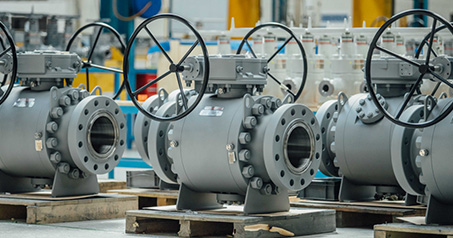
Water Control Valve - Precision Flow Management Solutions
Understanding Water Control Valves A Key Component in Fluid Management Water control valves are esse
Water Strainer for Efficient Filtration and Reliable Performance in Various Applications
Understanding the Y-Type Water Strainer A Key Component in Fluid Systems In industrial and municipal
Van nước mở hoặc đóng
Van nước Bật hay Tắt? Trong cuộc sống hàng ngày, van nước đóng vai trò cực kỳ quan trọng. Chúng khôn
 English